Category: Uncategorized

Online Casino Malaysia: Evaluating the Top Platforms for Local Players

The Malaysian online casino market has matured considerably, and players are becoming more selective about where they play. Platform reliability, game variety, and payout speed are the top factors influencing their choices.

One platform that has been generating discussion among Malaysian players is the syabas99 platform. Our detailed analysis covers the key aspects that matter most to local players evaluating their options.

Key Features to Consider

Bonuses and promotions are among the most attractive features for new players. Welcome packages, daily rebates, and loyalty programs all contribute to a platforms overall value proposition. However, wagering requirements should always be checked carefully.

For those interested in a comprehensive assessment, JM8 Casino Malaysia provides detailed insights that help players make informed decisions about their gaming choices.

Customer support quality often separates good platforms from average ones. Malaysian players value responsive support channels, preferably available 24/7 via WhatsApp or Telegram, and in languages they are comfortable with.

While no single platform is perfect for every player, understanding what each one offers helps narrow down the choices. The best approach is to start with well-reviewed platforms that have established a solid reputation among Malaysian users.


The Complete Guide to Soldering Techniques for DIY Electronics Projects

Getting Started with Soldering

Soldering is one of those skills that looks intimidating from the outside but turns out to be surprisingly accessible once you know the basics. Whether you are fixing a broken wire, building a custom circuit, or just tinkering with electronics as a hobby, having a solid soldering technique makes all the difference. The good news is that you do not need expensive gear to get started – a basic iron, some solder, and a few practice joints will take you a long way.

Essential Tools for Beginners

Before you start, you will need a few key pieces of equipment. A temperature-controlled soldering iron is worth the investment – cheap fixed-temperature irons tend to run too hot and can damage components or burn off flux too quickly. Look for something in the 25-40 watt range with adjustable temperature. You will also want flux-core solder (60/40 tin-lead or lead-free SAC305 are both fine), a brass sponge for cleaning the tip, and some helping hands with a magnifying glass for holding your work steady.

A good work area matters too. Make sure you have proper ventilation – solder fumes are not great to breathe in, so a small fan or fume extractor helps. A silicone soldering mat protects your desk and keeps small components from rolling away. Good lighting is essential when you are working with tiny circuit board traces.

Basic Soldering Technique

The most common mistake beginners make is applying solder directly to the iron tip and then trying to carry it to the joint. That is not how it works. Instead, heat both the component lead and the pad simultaneously with the iron tip, then feed solder into the joint where the iron meets the pad. The solder should flow smoothly and form a shiny, concave fillet around the joint. If it looks dull or balled up, the joint is likely cold and needs to be reheated.

For through-hole components, your joints should look like little volcanoes – shiny and cone-shaped. For surface-mount work, you will want clean, minimal solder that just bridges the component leg to the pad without bridging to adjacent pins. Practice on some scrap boards first before working on anything important. For anyone looking to explore additional resources on this topic, you can read the full review of recommended soldering stations and supplies.

Common Mistakes and How to Avoid Them

Cold joints are the most common issue. They happen when the joint was not heated enough, and the solder did not flow properly. The fix is simple: reheat the joint and let the solder flow naturally. Bridging – where solder connects two adjacent pads – is also common, especially on fine-pitch components. Wick braid or a solder sucker will clean that up quickly.

Tip maintenance is something new solderers often overlook. A clean, tinned tip transfers heat much better than a dirty one. Wipe the tip on your brass sponge frequently and re-tin it with fresh solder before putting the iron away. An oxidized tip is basically useless and will make every joint a struggle.

Safety First

Always wear safety glasses when soldering. Solder can splatter and wire clippings can fly. Wash your hands thoroughly after handling solder – especially leaded solder. And never leave a hot iron unattended. Good habits from day one make soldering a safe and enjoyable skill to develop over time.

Online Betting Risks: How to Avoid Unsafe Casino Habits

Online betting involves risks such as financial loss, addiction 1BET2U, and exposure to unregulated platforms. To avoid unsafe habits, it is important to set clear time and money limits and treat betting as entertainment rather than a way to make money. Recognizing warning signs like secrecy and obsessive thoughts can prevent problem gambling. Using tools such as deposit limits and self-exclusion features enhances safety. Understanding these strategies helps protect well-being while maintaining enjoyable betting experiences. Further guidance can provide deeper insights.

Risks to Watch for in Online Betting

What are the key risks that individuals should be aware of when engaging in online betting? Among the most significant are financial losses, addiction, and exposure to unregulated platforms.

The ease of access can lead to impulsive decisions 1BET2U thai, impacting personal freedom and well-being. Additionally, privacy concerns arise from sharing sensitive information online.

There is also the risk of encountering fraudulent sites that compromise security. Understanding these risks is vital for maintaining control and enjoying betting responsibly.

Awareness empowers individuals to protect themselves while preserving the freedom to engage in online betting with confidence.

How to Set Safe Limits for Online Betting

Recognizing the potential dangers of online betting naturally leads to the importance of establishing safe limits. Setting clear boundaries on time and money spent helps maintain control and protects personal freedom.

It is crucial to determine a budget that does not interfere with essential expenses, ensuring betting remains a form of entertainment rather than a financial burden. Time limits prevent excessive engagement, promoting balance with other life activities.

Regular self-assessment supports adherence to these limits, fostering a responsible betting environment. Ultimately, safe limits empower individuals to enjoy online betting without compromising their well-being or independence.

Smart Strategies to Avoid Chasing Losses

In managing online betting, resisting the urge to chase losses is essential for maintaining control and preventing further financial harm. Adopting smart strategies like setting strict loss limits before playing helps preserve freedom and clarity.

Taking regular breaks allows reflection, reducing impulsive decisions fueled by frustration. Keeping a clear budget separate from essential funds safeguards overall well-being.

Additionally, focusing on enjoyment rather than recovery shifts perspective away from desperation. Embracing these practical approaches supports responsible betting habits, empowering individuals to play with awareness and confidence while protecting their financial and emotional freedom.

Spotting Problem Gambling Signs and What to Do

Among the early indicators of problem gambling are changes in behavior such as increased secrecy, neglect of responsibilities, and persistent thoughts about betting. Recognizing these signs allows individuals to regain control before habits worsen.

If such patterns emerge, seeking support from trusted friends, family, or professional counselors can provide vital guidance. Encouraging open conversations helps reduce stigma, fostering freedom from isolation.

Early intervention promotes healthier choices and preserves personal autonomy. Understanding these warning signs empowers individuals to act decisively, ensuring their online betting remains a source of entertainment rather than distress.

Best Tools to Keep Your Online Betting Safe

To maintain control and enjoy online betting responsibly, utilizing effective tools is essential. Features such as deposit limits, self-exclusion options, and reality checks empower users to set boundaries aligned with their personal freedom.

Trusted apps and websites often provide budget tracking and session timers, helping bettors stay aware of their habits. Additionally, employing secure payment methods and two-factor authentication enhances safety, protecting financial and personal data.

These tools support a balanced approach to betting, encouraging enjoyment without risking harm. By embracing such resources, individuals can safeguard their experience while preserving the autonomy they value.

Conclusion

Online betting carries inherent risks that require careful management to ensure a safe experience. By setting clear limits, avoiding the urge to chase losses, and recognizing signs of problem gambling, individuals can protect their well-being. Utilizing available tools and resources further supports responsible betting habits. Awareness and proactive measures empower bettors to enjoy online gambling responsibly, minimizing harm while maintaining control over their activities in a supportive and informed manner.

Pilates Private Class: The Complete Guide to Choosing, Booking, and Getting Results

What is a Pilates private class?

Definition and common formats (1:1, duet, triplet, small group)

A pilates private class is an instructor-led session tailored to your body, goals and ability rather than a one-size-fits-all group lesson.

In a 1:1 private you get dedicated attention—every cue, adjustment and exercise choice is about you; duet and triplet formats split that focus between two or three clients who often share similar needs; small group privates (usually 4–6 people) keep programming quite individualised while letting you train with others. For a broader wellness context, you can also explore public holidays when planning consistent training around travel and rest days.

Equipment and settings: reformer, mat, chair, Cadillac, studio vs home

Private sessions can use a range of Pilates equipment: reformer for resistance and carriage work, Cadillac for suspension and stability, Wunda chair for balance and leg work, plus mat-based exercises. Studios have full kit and controlled environment; many instructors also bring equipment or adapt exercises for home sessions using minimal kit like bands, small props or an online setup.

Who benefits most from private Pilates?

Beginners and people wanting a strong technical foundation

If you’re new to Pilates, private lessons are the fastest way to build a solid technical foundation: you learn correct breathing, neutral spine alignment and precise movement patterns from the start. That early investment helps you progress safely and prevents developing habits that are harder to change later on.

Prenatal/postnatal clients, injury recovery, and athletes

Pregnant or postpartum clients, people recovering from injury, and athletes with sport-specific demands benefit a lot from private work because it’s personalised for safety and performance. A skilled instructor will modify load, range and progression to suit pregnancy stages, rehabilitation timelines or the athlete’s competition calendar (consult your healthcare provider for pregnancy or serious injuries) (ACOG; NHS).

Key benefits of private Pilates sessions

Personalised programming, faster progress and technique refinement

Private classes let your instructor design a program around your current movement patterns, weaknesses and goals, so you progress faster than in large mixed-level classes. You also get hands-on cues and tailored regressions/progressions to clean up technique, which amplifies results and reduces risk of injury.

Rehabilitation, posture correction and functional strength

Because Pilates emphasises control, breathing and core integration, it’s often used alongside rehabilitation and postural work to build functional strength—improvements you feel in daily activities, not just during exercise. Clinical bodies recognise Pilates as a useful adjunct for low-back and postural issues when delivered by qualified practitioners (see physiotherapy guidance and general reviews from established health sites like Mayo Clinic and NHS).

Types of private sessions and how packages work

Single sessions, multi-session packages, memberships and trial offers

Studios commonly offer single drop-ins, multi-session packages (5, 10, or more sessions), monthly memberships with a fixed number of privates, and trial offers for first-time clients. Packages usually reduce the per-session rate and encourage consistency, which is important for measurable progress.

What to look for in pricing and value (instructor level, equipment, session length)

When comparing prices, look beyond the hourly rate. Consider instructor qualifications and experience, the equipment included (reformer/Cadillac can cost more), class length (45 vs 60 minutes), and whether assessments or bespoke programming are part of the package. A slightly higher price for a highly experienced instructor or a studio with proper kit often delivers better outcomes and value in the long run.

How to choose the right instructor and studio

Qualifications, specialties and red flags to watch for

Prioritise instructors with recognised Pilates certifications, continuing education in rehabilitation or pre/postnatal care if you need those areas, and positive client testimonials. Red flags include instructors who guarantee unrealistic results, ignore your medical history, or push painful ranges; also be cautious if they lack insurance or a clear refund/cancellation policy.

Questions to ask on your first call (assessment, goals, cancellation policy)

Ask whether they conduct an initial movement assessment, how they set goals and track progress, what to expect in the first few sessions, their cancellation/no-show policy, and whether they liaise with healthcare providers when needed. These questions tell you how professional and client-centred the studio or instructor is.

What happens in your first private Pilates class

Initial assessment & personalised goal-setting

Your first private usually starts with an intake: health history, current aches or injuries, daily activity demands and your goals. The instructor will screen movement (posture, basic mobility and core engagement) and use that to set realistic short- and medium-term objectives together with you.

Sample 50–60 minute session plan (warm-up, core work, equipment exercises, cool-down)

A typical 50–60 minute private might flow like this: 5–10 minutes intake/check-in, 10–15 minute warm-up and breathing work on the mat, 20–25 minutes of targeted reformer or chair exercises focusing on your weak links, 10 minutes of integrated functional patterns (standing/transfer work), and a 5–10 minute cool-down with stretches and homework cues for between sessions.

How to prepare for a private Pilates class

What to wear, what to bring (grip socks, water, medical info)

Wear fitted, breathable clothing so the instructor can see alignment—leggings or shorts with a snug top work well. Bring grip socks if the studio requires them (they improve foot traction), a water bottle, and any relevant medical documents or notes about medications and recent procedures.

Pre-class checklist: forms, medications, mobility restrictions

Complete intake forms in advance if possible, flag any medications that affect balance or heart rate, and tell your instructor about mobility restrictions or previous surgeries. Being upfront helps them tailor the session safely and efficiently.

Pricing, booking and cancellation: practical tips

Typical price ranges and how to compare packages

Private Pilates pricing varies by city and studio. In general, expect higher rates for senior instructors and equipment-heavy sessions; multi-session packages or monthly memberships often reduce the per-session cost. Compare total value—session length, assessment inclusion and follow-up home programs—rather than just the headline fee.

Booking platforms, trial offers, cancellation/no-show policies and negotiating tips

Many studios use online booking platforms; try booking a trial private or introductory package to assess fit. Check cancellation windows and no-show fees; being flexible with times can sometimes get you a discount. If you plan regular sessions, ask about package upgrades, off-peak rates, or discounts for block bookings.

Virtual private Pilates vs in-studio: which to choose?

When virtual sessions work well and how to set up at home

Virtual privates suit clients who need convenience, travel constraints, or who only require cueing and programming rather than heavy equipment. Set up a quiet space with a mat, clear floor area, a stable chair and, if possible, a laptop/phone on a tripod so your instructor can see you clearly. Good lighting and a reliable internet connection make a big difference.

Limitations of remote coaching and hybrid session strategies

Remote coaching limits hands-on adjustments and the use of studio equipment like reformers and Cadillac; complex rehab cases often do better in-person. A hybrid approach—periodic studio-based sessions for technique and equipment work, with virtual sessions for maintenance and progression—combines the best of both worlds.

How progress is measured and realistic timelines

Short-term (4–8 sessions) vs long-term goals and expected milestones

In the short-term (4–8 sessions) you can expect improved body awareness, better breathing coordination and small but noticeable improvements in movement quality. Long-term goals (12+ sessions) focus on strength, endurance, posture changes and returning to pain-free function or sport-specific performance; timelines depend on consistency and starting condition.

Tools instructors use: movement screens, photos, strength/flexibility tests

Instructors often rely on movement screens, simple strength or flexibility tests, and progress photos or videos to track changes objectively. For clinical clients, instructors may collaborate with physiotherapists who use validated tests to measure recovery milestones.

Common concerns and FAQs

Safety questions: pregnancy, injuries and working with physiotherapists

Safety is a top priority: during pregnancy or after injury, a qualified instructor will modify exercises, avoid contraindicated positions and coordinate with your healthcare team if needed. Always get medical clearance for pregnancy complications or significant injuries before starting a programme (see guidance from professional bodies such as ACOG and NHS).

Can private Pilates replace personal training or physiotherapy?

Private Pilates can overlap with personal training in improving strength, mobility and conditioning, but it isn’t a direct substitute for medical physiotherapy when you have diagnosed clinical conditions that require specific rehabilitation protocols. In many cases, Pilates complements physiotherapy and personal training—your team can integrate approaches based on your goals.

How to get started: next steps and success checklist

Quick-start checklist: book assessment, prepare health info, choose package

Quick-start checklist: book an initial assessment/private trial, complete health/intake forms, gather any medical notes, decide on a package that supports regular sessions and discuss your short- and long-term goals with the instructor. Consistency is key—aim for at least one private plus 1 group or home practice per week to see steady progress.

Simple 8-week plan to maximise results and when to re-assess

Sample 8-week plan: weeks 1–2: assessment + technical foundation (1–2 privates); weeks 3–4: build targeted strength and mobility (1 private + 1 home session per week); weeks 5–6: increase complexity and functional integration (bi-weekly privates or mixed duet sessions); weeks 7–8: performance and self-management, re-assess outcomes and set new goals. Re-assess formally every 6–8 weeks to adjust programming and measure progress.

Ion Chromatography Standards and Regulatory Guidelines

Ion chromatography standards and regulatory guidelines play a pivotal role in ensuring the reliability of analytical results across diverse sectors. Regulatory bodies like the EPA and CEN establish these frameworks, emphasizing method validation and data quality Cation analysis. Compliance is essential not only for credibility but also for public safety and environmental protection. As methodologies evolve, the impact on current practices raises important questions about future compliance and adaptation in laboratory settings.

Overview of Ion Chromatography Standards

Although ion chromatography (IC) is a widely employed technique for analyzing ionic species in various samples, adherence to established standards is essential for ensuring accuracy and reproducibility. Standards in ion chromatography encompass guidelines for method validation, which provide a framework to assess performance characteristics such as precision, accuracy, and limit of detection https://laballiance.com.my/. These standards support diverse ion chromatography applications, ranging from environmental monitoring to pharmaceutical quality control.

By implementing rigorous method validation protocols, laboratories can confirm that their IC methods yield reliable results, safeguarding against analytical errors that could compromise data integrity.

Additionally, standardized procedures facilitate inter-laboratory comparisons and contribute to the broader acceptance of results in scientific and regulatory contexts.

Ultimately, embracing ion chromatography standards not only enhances the credibility of analytical findings but also empowers researchers and industry professionals to explore innovative applications in the quest for greater freedom in analytical capabilities.

Key Regulatory Frameworks Impacting Ion Analysis

As regulatory bodies increasingly emphasize the importance of accurate ionic analysis, several key frameworks have emerged to guide laboratories in their ion chromatography practices. The United States Environmental Protection Agency (EPA) and the European Committee for Standardization (CEN) represent significant regulatory authorities that establish guidelines for ion analysis in environmental samples.

These frameworks impose stringent requirements on data quality, method validation, and reporting practices, which laboratories must navigate to guarantee compliance.

However, compliance challenges often arise due to the need for continuous updates in methodologies and equipment. Laboratories must stay informed about changes in regulations and adapt their practices accordingly.

Additionally, the integration of advanced technologies in ion chromatography requires ongoing training for personnel to maintain compliance with these evolving standards.

Ultimately, understanding and adhering to these regulatory frameworks is vital for laboratories aimed at achieving accurate and reliable ion analysis, safeguarding both public safety and environmental integrity.

Best Practices for Compliance in Ion Chromatography

To guarantee compliance in ion chromatography, laboratories must implement a series of best practices that align with regulatory standards and enhance analytical accuracy.

First, rigorous method validation is essential. It guarantees the chosen analytical procedures deliver reliable results across various matrices. Laboratories should routinely evaluate parameters such as sensitivity, specificity, and linearity to confirm method robustness.

Quality assurance plays a pivotal role in maintaining compliance. Establishing a thorough quality management system guarantees consistent performance and adherence to regulations. Regular calibration of equipment, participation in proficiency testing, and meticulous documentation practices are critical components.

Additionally, staff training is paramount; well-trained personnel can execute methods correctly and troubleshoot effectively. By fostering an environment of continuous improvement and staying updated with regulatory changes, laboratories can’t only meet compliance requirements but also enhance their overall analytical capabilities.

With regulatory landscapes evolving, the future of ion chromatography regulations is likely to focus on enhancing data integrity and method standardization.

As laboratories adopt emerging technologies, such as advanced detection methods and automated systems, regulators will need to guarantee these innovations align with established quality standards. This alignment will foster greater regulatory harmonization across jurisdictions, simplifying compliance for global operations.

Additionally, the incorporation of digital solutions for data management will enhance traceability and transparency, addressing current challenges in data integrity. Organizations that prioritize these advancements will likely find themselves ahead of the curve, adapting to new guidelines more seamlessly.

The future will also see an emphasis on collaborative initiatives among regulatory bodies, industry stakeholders, and academic institutions, driving improvements in methodologies and safety protocols.

Conclusion

In summary, adherence to ion chromatography standards and regulatory guidelines is vital for ensuring the accuracy and reliability of analytical results. By aligning with established frameworks, laboratories can enhance data quality and maintain public trust. As methodologies evolve, staying informed about best practices will be essential for compliance and innovation in the field. Ultimately, a commitment to these standards will bolster environmental integrity and support the ongoing advancement of analytical techniques in various applications.

Free Credit Slot Game Malaysia Trusted Casino Online

Trusted Malaysian casino sites list free-credit slot offers with clear terms, licensing, and claim steps. They separate no-deposit credits from match bonuses and state caps, verification methods cyl88, promo codes, timelines, game limits, and withdrawal thresholds. Reliable platforms display regulator badges, license details, RNG and audit certifications, SSL statements, and concise dispute procedures. Demo and bonus credits help test volatility, hit rates, and bankroll plans. Continue for a step-by-step guide to verify offers and use credits wisely.

Key Takeaways

  • Choose licensed Malaysian-friendly casinos and verify license details (issuer, number, issue/expiry) on the regulator’s official register.
  • Prioritize sites that clearly separate no-deposit free credits from match bonuses and explain claim procedures.
  • Confirm security, RNG and payout audits (eCOGRA/GLI), visible SSL/TLS encryption, and posted dispute procedures.
  • Test games using demo/free credits first: track hit frequency Victory996, volatility, and feature behavior across multiple sessions.
  • Set deposit limits, verify banking methods and withdrawal rules, and use responsible-play tools before wagering real money.

Best Trusted Malaysian Casinos Offering Free Credit Slots (How to Claim Them)

Frequently, Malaysian players begin their search by prioritizing licensed platforms that transparently advertise free credit slot offers; this paragraph examines how reputable operators structure such promotions and the verification steps users should take before claiming them. Investigative reviewers note that licensed operators present clear terms, caps, and wagering requirements within Welcome packages, often separating no-deposit credits from match bonuses. Trusted casinos list claim procedures—account verification, optional promo codes, or simple opt-in toggles—so communities can follow uniform steps. Promotional timelines, game restrictions, and withdrawal thresholds are summarized plainly to foster shared understanding. The detached analysis emphasizes consistency: platforms that publish concise, accessible rules and responsive support are more likely to maintain fair promotional practices for Malaysian players.

How to Verify a Casino’s License, Security, and Fair-Play Credentials

When evaluating a casino’s legitimacy, Malaysian players should first confirm its licensing authority and review the public details of that license—issuer, license number, issue and expiry dates—then cross-check those details on the regulator’s official register. The investigator then examines license verification practices on-site: visible license badges, links to regulator pages, and documented corporate information. Next, security audits are assessed by locating independent audit reports (e.g., eCOGRA, GLI) and encryption statements outlining SSL/TLS standards and data-handling policies. Fair-play credentials require proof of RNG certification, payout percentages, and transparent dispute procedures. Community feedback and responsible gambling resources provide corroboration. This concise checklist helps players feel part of an informed group while prioritizing objective evidence over marketing claims.

Which slot types best showcase free-credit play and skill discovery? An investigative review highlights three approachable categories: classic reels for straightforward mechanics, video slots for layered features, and games with progressive jackpots for communal excitement. Classic reels offer familiarity for newcomers and a shared starting point among players seeking belonging. Video slots allow exploration of bonus rounds, volatility, and payline strategies without financial risk. Progressive-jackpot titles demonstrate networked payouts and social appeal, useful to observe frequency and jackpot growth dynamics. Recommended first plays include well-known developer releases that balance clear rules with recognizable branding; community-rated titles often indicate reliable demo experiences. The tone remains impartial: try representative machines across types to form personal preferences before deeper engagement.

How to Use Demo Credits and Bonus Credit Smartly to Test Strategies

For testing strategies, demo credits and bonus credit function as controlled environments that reveal mechanics, variance, and bankroll management effects without monetary exposure. Observers evaluate outcomes by setting clear objectives, tracking wins and losses, and logging spin patterns to compare theoretical expectations with observed variance. Emphasis is placed on session timing to determine streak lengths and fatigue effects, while bankroll simulation helps model bet sizing and progressive systems under repeatable conditions. The approach remains investigative: run multiple short and long sessions, record hit frequency, and isolate features like free spins or multipliers. Sharing documented results within a trusted community fosters belonging and collective learning. Conclusions prioritize reproducible evidence over anecdote and encourage iterative refinement.

Responsible-Play Tips and Banking Steps Before Switching to Real Money

Establishing clear limits and confirming banking arrangements before converting demo play to real money reduces risk and sets measurable expectations. The report examines practical steps: players are advised to set deposit limits with the operator, link verified payment methods, and confirm withdrawal processes. It recommends practice bankroll management in the demo phase to model stake sizes and session lengths. Community-oriented platforms that display responsible-play tools foster accountability and inclusion. Verification checks, two-factor authentication, and transparent fees are flagged as essential preconditions. The analysis stresses documenting limits, scheduling cooling-off periods, and knowing self-exclusion options. By combining procedural banking checks with disciplined bankroll practices, newcomers and regulars alike can shift with reduced financial exposure and clearer behavioral guardrails.

Conclusion

Investigative review concludes that Malaysian players can access reputable casinos offering free credit slots, but due diligence remains essential. Verification of licensing, security measures, and fair-play audits separates trustworthy operators from risky sites. Trying demo and bonus credits helps evaluate game mechanics and bankroll strategies without exposure. Prioritize responsible-play limits and confirm banking procedures before depositing real funds. Informed, cautious adoption of free-credit offers reduces harm while preserving opportunities to assess preferred slot experiences.

Why Local Pros Prefer Live Casino Cash Betting Over Mamak Chats

Local pros favor live casino cash betting because regulated rails and automated settlement cut manual handling and speed payouts. Integrated wallets and real-time clearing create instant liquidity and provable audit trails. Low-latency audiovisuals preserve table dynamics and social cues while metrics enable fair matchmaking. Mobile stake transparency and automated bankroll KPIs reduce fiscal uncertainty online casino malaysia. Risk controls, compliance monitoring, and insurance overlays lower exposure compared with informal mamak chats. More details follow on operational, strategic, and technical differences.

Why Live Casino Cash Betting Offers Faster, Safer Payouts Than Mamak Chats

Many operators and players report that live casino cash betting delivers faster, more secure payouts than informal Mamak chat arrangements because it relies on regulated payment rails, automated settlement systems, and standardized verification procedures; these mechanisms reduce manual handling, minimize human error, and provide audit trails that support dispute resolution and fraud prevention https://www.1bet2umyr.com/my/en-us/. Observers note that Instant Liquidity emerges from integrated wallets and real-time clearing, shortening settlement cycles compared with cash-dependent peer networks. Verified Transactions are enforced through identity checks, cryptographic receipts, and reconciliation engines, creating provable payment histories. Risk controls, compliance monitoring, and insurance overlays further mitigate loss exposure. For innovators evaluating local gaming ecosystems, the data-driven architecture of live casino cash betting demonstrates superior operational resilience, transparency, and scalability relative to Mamak chat methods.

How Live Games Deliver Real-Time Social Interaction and Competitive Play

Through synchronized audiovisual streams and low-latency infrastructure, live games recreate the immediacy of physical play while enabling scalable, competitive interactions across distances. The platform architecture preserves conversational cues and tempo, supporting real time banter that sustains social bonds and mirrors table dynamics. Metrics capture player behavior, enabling fair matchmaking that amplifies competitive streaks without introducing bias. Observability tools provide operators and players with transparent session data, improving trust and strategic depth. Latency management and UX design prioritize responsiveness, ensuring interlocutory signals remain intact. This fusion of technical rigor and social design shifts casual engagement toward measurable skill expression and community formation.

  • Preserves conversational timing via codec and server optimization
  • Enables skill-based matchmaking and performance analytics
  • Integrates moderated chat to balance spontaneity and fairness

What Mobile Access and Transparent Stakes Mean for Bankroll Management

With ubiquitous mobile access and clearly displayed stake information, players can monitor and adjust bankrolls in real time, shifting from episodic wagering to continuous fiscal oversight. The convergence of mobile transparency and automated stake tracking transforms bankroll management into a data-driven discipline: session limits, voltage of bets, and loss-rate thresholds become measurable KPIs. Mobile interfaces provide immediate feedback loops, enabling rapid recalibration of unit sizes and buy-in strategies without interrupting gameplay. Transparent stakes reduce informational asymmetry, allowing players to align risk tolerance with observable table dynamics. Analytics export and visual dashboards support iterative optimization, fostering disciplined staking plans and variance-aware reserves. The result is a more resilient bankroll architecture that prioritizes sustainable returns over impulsive wins.

Which Pros Benefit Most and How to Choose the Right Live-Cash Setup

Who gains most from a live-cash setup depends on playstyle, edge extraction methods, and risk tolerance. Analysts note that high stakes coaches and crypto savvy players extract disproportionate value when liquidity, real-time settlement, and anonymity align with sophisticated strategies. Selection criteria center on variance control, counterparty reliability, and tech stack resilience. Prospective adopters should evaluate latency, fee structure, and dealer integrity.

  • High-frequency arbitrageurs: prioritize low latency, deep pools, and transparent rules.
  • High stakes coaches and mentors: require customizable tables, staking frameworks, and dispute resolution.
  • Crypto savvy players: value on-chain proofs, rapid cashouts, and privacy-preserving options.

Decision frameworks favor measurable metrics over anecdotes; successful setups quantify ROI, drawdown scenarios, and operational risk.

Understanding the Hidden Effect of Gambling on Mental Health

We understand casual gambling can quietly reshape thinking, stress responses, sleep, and relationships, making delayed rewards harder to choose and fueling anxiety JM8, low mood, rumination, and sleep disruption. Small wins and cognitive distortions bias decisions and reduce impulse control, while financial strain and secrecy erode support and problem solving. Early recognition and simple grounding, limits, and support can restore clearer choices and resilience — keep going and we’ll outline practical signs, steps, and help options.

What the Hidden Mental Health Effects of Gambling Look Like

Although the thrill of a big win is obvious, the less visible psychological consequences of gambling often build quietly over time.

We observe measurable shifts: repeated risk-taking strains impulse control, making delayed rewards harder to choose and momentary urges more compelling JM8. Clinically, this correlates with decision-making deficits on standardized tests and behavioral tasks.

We also see self esteem erosion as losses accumulate and secrecy isolates people, lowering perceived competence and social worth.

Compassionately, we acknowledge these changes feel scary and destabilizing; empirically, they predict increased help-seeking when recognized early.

For readers seeking safety, that means monitoring behavior patterns, setting clear limits, and consulting professionals before problems escalate. Early intervention preserves agency and restores healthier coping strategies.

How Gambling Fuels Anxiety, Depression, and Sleep Problems

We see gambling often escalates a feedback loop where preoccupation with wins and losses heightens nervous arousal and worry, which in turn makes risky betting more likely.

That anxiety commonly co-occurs with low mood and hopelessness as financial and social consequences accumulate.

Sleep is frequently disrupted—shortened, fragmented, or delayed—which then worsens emotional regulation and perpetuates the anxiety-depression cycle.

Anxiety Cycle Intensifies

When gambling problems take hold, they don’t just drain money — they set off a tightening cycle where worry, sleeplessness, and low mood reinforce one another; as losses mount and uncertainty grows, our anxiety spikes, sleep breaks down, and depressive symptoms deepen, each making it harder to stop or make clear decisions.

We observe measurable patterns: persistent rumination, avoidance behaviors to escape shame, and heightened physiological arousal during triggers. That arousal narrows attention, biases risk perception, and fuels compulsive chasing.

Over time, reduced coping resources increase hopelessness and social withdrawal, which in turn worsen anxiety and depressive symptoms. Clinically, interrupting the cycle with structured support, grounding techniques, and safe behavioral changes reduces arousal and restores clearer decision-making capacity.

Sleep Disruption Patterns

Because disrupted sleep both reflects and amplifies the stress of problem gambling, we need to look closely at how gambling-related arousal, rumination, and irregular schedules fragment sleep architecture and worsen mood.

We see circadian disruption when late-night betting shifts sleep timing, reducing total sleep and misaligning biological rhythms.

Heightened physiological arousal and persistent worry shorten slow-wave sleep and can cause REM suppression, undermining emotional memory processing and resilience.

Over time these patterns increase anxiety and depressive symptoms, creating a feedback loop that fuels further gambling.

We recommend stabilizing sleep-wake schedules, limiting evening stimulation, and seeking brief cognitive or behavioral interventions to reduce rumination.

If sleep problems persist, we urge consulting a clinician to assure safety and tailored treatment.

Why Casual Gambling Can Change Your Thinking and Coping

We should acknowledge that even casual gambling can gradually shape the way we interpret luck, control, and chance, fostering cognitive distortions like illusion of control and selective memory.

At the same time, it can quietly replace healthier coping strategies—such as talking with friends, exercise, or problem-solving—with quick, emotion-focused relief. Recognizing these shifts helps us assess risk objectively and consider alternatives that sustain long-term well-being.

Cognitive Distortion Formation

Curiosity and reward-seeking can subtly reshape how we interpret chance and control, so casual gambling often seeds cognitive distortions that change our thinking and coping over time.

We observe patterns where small wins reinforce a cognitive bias toward overestimating skill and underestimating randomness.

Practically, that thought distortion narrows risk perception: we may attribute losses to bad luck and wins to strategy, creating a misleading internal narrative.

Clinically informed studies show these shifts accumulate, increasing emotional reactivity and decision errors.

We’ll describe signs—selective recall, illusion of control, and gambler’s fallacy—so readers recognize early changes.

With compassionate clarity, we recommend monitoring beliefs and seeking supportive feedback before distorted thinking becomes entrenched and undermines wellbeing.

Coping Skill Replacement

Having outlined how cognitive distortions take root, let’s consider how casual gambling can replace healthier coping strategies with risky ones.

We observe, through studies and clinical reports, that gambling may become an avoidance strategy: instead of addressing stressors, people repeatedly seek quick dopamine relief.

Over time this pattern crowds out problem-solving, social support, and adaptive emotion regulation.

We also see emotional numbing emerge; repeated betting blunts distress signals, making genuine feelings harder to access and process.

Clinically, this shift raises relapse risk and undermines resilience.

We recommend acknowledging these changes early, cultivating alternative coping—mindfulness, structured activity, trusted conversations—and, when needed, seeking professional guidance to restore safety, clarity, and sustainable emotional skills.

How Financial Stress and Relationship Strain Worsen Mental Health

Because money worries often compound and spill into daily life, we see financial stress and relationship strain acting together to worsen mental health outcomes. We observe that sustained financial strain increases anxiety, disrupts sleep, and lowers problem-solving capacity; these effects are measurable in higher rates of depression and chronic stress.

Simultaneously, relationship breakdown or persistent conflict erodes social support, which normally buffers psychological distress. When both occur, symptoms intensify and recovery becomes harder, as distorted thinking and avoidance behaviors take hold.

Clinically, integrated interventions addressing budgeting, debt management, and communication skills reduce symptoms more effectively than isolated approaches. We recommend safe, stepwise plans combining practical financial guidance with relational repair strategies to restore stability and protect mental well-being.

Behavioral Signs Loved Ones Can Spot Early

Often we notice small changes in behavior before a gambling problem is openly acknowledged, and loved ones can play a vital role in spotting them early. We observe increased mood swings, abrupt withdrawal from social activities, and unexplained fatigue that affect daily functioning.

We also see secretive behavior around time spent online or with money, repeated excuses, and avoidance of routine conversations about finances. Empirical observations like inconsistent stories, missed obligations, and disproportionate reactions to losses help us distinguish concern from normal stress.

We should respond with calm curiosity, document patterns without judgment, and prioritize safety when risk escalates. Early recognition enables timely connection to support resources while respecting autonomy and minimizing harm.

Practical Steps to Protect Wellbeing and Reduce Risk

Let’s lay out clear, evidence-based steps we can take to protect wellbeing and reduce gambling-related risk.

First, set firm limits: define time and money caps, use account blocks or betting limits, and review statements regularly.

Second, prioritize stress management through regular sleep, exercise, and brief relaxation practices; these reduce impulsive decisions.

Third, practice emotional regulation by naming triggers, pausing before wagers, and using simple grounding techniques when urges arise.

Fourth, maintain social connections and structured activities to replace gambling routines.

Fifth, monitor mood and behavior with brief daily check-ins and adjust strategies when cravings or financial strain grow.

These steps are practical, measurable, and aimed at keeping safety and wellbeing central without immediate clinical interventions.

Where to Get Help: Treatment Options and Support Resources

When we’re ready to seek help, it’s important to know there are evidence-based treatment options and practical supports available that match different levels of need—from self-help tools and peer groups to professional therapies and crisis services.

We can begin with peer support and structured self-help programs; these reduce isolation and provide accountability.

Online forums can supplement care when moderated and evidence-informed, but we should verify privacy and moderation standards.

For clinically significant symptoms, cognitive-behavioral therapy and medication management guided by a psychiatrist improve outcomes.

Intensive needs may require residential rehab with structured therapy, relapse prevention, and medical oversight.

Crisis lines and local mental-health services offer immediate safety.

We’ll choose interventions based on severity, comorbidity, and personal safety, seeking coordinated care.

Conclusion

We’ve laid out how gambling quietly undermines mental health—fueling anxiety, depression, sleep loss, strained relationships, and harmful thinking patterns. We’re not here to moralize; we’re here to recognize signs, reduce risk, and act early. By tightening finances, setting limits, seeking support, and using evidence-based treatment when needed, we can protect wellbeing and restore balance. If you or someone you care about is struggling, reach out—help is effective and available.

Every Malaysian Deserves a Free Credit No Deposit New Member Bonus

Every Malaysian plausibly deserves access to transparent “free credit, no deposit” trials that let consumers assess services without hidden wagering traps. Scholars and regulators ask for clear metrics: playthrough, caps, eligible games, expiration, reclaim rates JQK Slot, and independent audits. Skeptical consumers should demand verifiable RTPs, dispute channels, and pilot data before trusting offers. Responsible providers can balance safety and acquisition with tight constraints and measurable KPIs. Continue for concrete comparisons and verification steps.

What a “Free Credit No Deposit New Member Bonus” Really Means

When presented with a “Free Credit No Deposit New Member Bonus,” a cautious reader should immediately ask what is actually being offered and under which conditions, since the phrase often obscures differences between complimentary play credit, wagering-only funds, and withdrawable cash JQK. The analyst examines terms: playthrough, caps, eligible games, and expiration. Evidence-oriented scrutiny reveals patterns that affect net value and consumer protection; opaque clauses erode trust building. The tone remains skeptical yet pragmatic, urging empowered decisions: demand clear metrics, verify licensing, test small claims, and record communications. Power accrues to those who quantify risk and insist on accountable operators.

Why Malaysians Need No-Deposit Offers to Try New Services

Frequently researchers ask why Malaysian consumers disproportionately seek no-deposit trials before committing to new services, and the answer requires connecting cost sensitivity, regulatory uncertainty, and limited recourse into a single explanatory frame. Observers note that high price elasticity and opaque dispute mechanisms make trialless adoption risky. Empirical cues—low uptake where digital onboarding is cumbersome, surveys linking friction to abandonment—suggest pragmatic caution. The tone is interrogative: do providers underestimate the premium placed on reversible engagement? Assertions demand evidence: controlled pilots, transaction data, and complaint rates. For a readership oriented toward influence, the implication is clear—align incentives to rebuild consumer trust.

How No-Deposit Bonuses Reduce Financial Risk for Consumers

Can no-deposit bonuses meaningfully lower consumers’ upfront financial exposure when they allow service trials without initial outlays? Empirical reports suggest these offers create genuinely risk-free trial opportunities that reveal product value before commitment, though the fine print and wagering conditions warrant scrutiny. If confirmed, such structures could simplify budget management by turning uncertain expenditures into optional future costs rather than immediate liabilities.

Lower Upfront Financial Exposure

Although ostensibly generous, no-deposit bonuses merit scrutiny for their practical effect on consumer exposure. The analysis probes whether these offers genuinely create low risk entry points or merely reframe liabilities. Empirical indicators—reduced upfront payment, capped losses, and clear conversion rules—suggest lower immediate financial stake, yet fine print can impose deferred payment obligations or wagering requirements that shift risk later. A powerful consumer posture demands quantifiable metrics: maximum exposure, timeline to potential charges, and transparency of rollover terms. Skeptical evaluation, supported by comparative data, enables informed decisions that preserve autonomy and minimize hidden future burdens.

Risk-Free Trial Opportunities

In evaluating no-deposit bonuses as risk-free trial opportunities, one must ask whether the absence of an upfront payment meaningfully lowers financial hazard or simply relocates it into conditional terms; empirical scrutiny focuses on measurable reductions in immediate outlay, documented limits on potential losses during the trial, and the presence or absence of retroactive charges tied to unmet wagering or verification rules. The analysis probes whether platforms deliver genuine risk free sampling or mask obligations. Evidence-driven assessment examines clear metrics: loss ceilings, refund policies, and verification friction affecting trial accessibility. Skepticism demands contractual transparency and enforceable safeguards before endorsing such offers.

Easier Budget Management

With an eye toward measurable outcomes, the claim that no-deposit bonuses simplify budgeting for Malaysian consumers warrants careful scrutiny: do such offers meaningfully cap downside exposure and streamline cash-flow planning, or do embedded wagering and withdrawal conditions merely shift uncertainty into the fine print? Analysts ask whether clear metrics exist to quantify reduced risk. Evidence-driven evaluation compares account-level financial tracking before and after bonuses, monitoring volatility and net outflow. Do spending alerts tied to bonus activity prevent overcommitment, or do conditional rules create hidden liabilities? Skeptical observers recommend standardized disclosures and real-world trials to empower decisive, data-backed choices.

What Responsible Providers Must Include in No-Deposit Offers

What tangible safeguards should a responsible provider include when advertising a no-deposit bonus to Malaysian players? A rigorous system must mandate age verification and robust fraud prevention, but what metrics demonstrate effectiveness? The detached observer demands verifiable audits, tamper-proof identity checks, and transparent odds disclosure tied to bonus mechanics. Can wagering limits, loss caps, and clear withdrawal pathways be enforced without loopholes? Evidence-driven clauses should document data retention, dispute resolution, and third-party oversight. Skeptical scrutiny favors rejection of opaque terms; powerful consumers require contractual clarity, measurable compliance, and enforceable remedies before accepting any “free” credit incentive.

How Regulators Can Safeguard Consumers Without Banning Bonuses

Can regulators require standardized, easily comparable disclosures so consumers can assess the true value and conditions of no‑deposit bonuses? Empirical evidence on consumer harm suggests setting responsible wagering limits and caps could reduce chasing losses without eliminating promotional competition. Yet questions remain about enforcement practicality and whether such rules sufficiently protect vulnerable players.

Clear Bonus Transparency

Against a backdrop of rising digital gambling access, regulators face a critical question: how can they guarantee bonus offers are transparent enough to protect consumers without imposing outright bans? The piece examines mechanisms that enforce bonus transparency through mandatory, standardized terms, verifiable audit trails, and prominence rules for clear disclosures. It questions industry claims, cites comparative regulatory models, and demands measurable compliance metrics. Skeptical of voluntary self-regulation, it argues for empowered oversight bodies with rapid enforcement tools. Recommendations prioritize consumer sovereignty: accessible information, machine-readable terms, and penalties for obfuscation—designed to deter predatory marketing while preserving legitimate promotional freedom.

Responsible Wagering Limits

Several regulatory tools warrant scrutiny when calibrating wagering limits to protect consumers without outlawing bonuses: tiered bet caps, time-based staking windows, and mandatory loss-limits tied to player profiles. Analysts ask which bet limit levels reduce harm without killing market incentives, citing pilot studies that suggest modest caps lower rapid losses while preserving engagement. Regulators must demand robust data, randomized trials, and transparent metrics for enforcement. Skepticism surrounds one-size-fits-all rules; instead, adaptive play controls aligned to player risk markers offer a targeted alternative. Power-seeking stakeholders require clear accountability, measurable outcomes, and the authority to iterate policy quickly.

Realistic Business Models: How Companies Can Profit From Free Credits

Many companies experimenting with no-deposit free credit offers approach them as controlled investments rather than pure giveaways, but does empirical evidence support sustainable returns? The detached analysis probes revenue levers: conversion rates, lifetime value uplift, and cost controls. It questions assumptions behind viral marketing effects and subscription incentives, demanding measured A/B results and cohort analyses. Risk-adjusted margins, churn sensitivity, and fraud exposure determine viability. Power-seeking stakeholders require transparent KPIs and stress tests before scaling. Practical models favor modest credits tied to clear actions, tight wagering constraints, and reinvestment of early profits into retention rather than acquisition.

  • Measure conversion vs. incremental revenue
  • Monitor churn and LTV shifts
  • Quantify fraud and operational costs

How to Compare and Choose Safe No-Deposit Offers in Malaysia

How should a Malaysian player weigh safety and value when evaluating no-deposit credit offers? An empowered reader demands evidence: verify licensing, audit reports, and clear terms. Which platforms align with consumer protection standards, and which prioritize acquisition over fairness? A rigorous market comparison uses reclaim rates, wagering requirements, and complaint histories as metrics. Skepticism guides choice—promotional gloss warrants scrutiny. Prefer operators with transparent RTPs, independent audits, and accessible dispute channels. Calculate realistic expected value, but prioritize enforceable rights. The objective is control: select offers that maximize net benefit while minimizing regulatory and reputational risk.

Conclusion

Curiosity persists about whether a universal no‑deposit new member credit truly balances consumer empowerment with market integrity. Evidence suggests such offers lower entry barriers and redistribute risk, yet skepticism remains regarding exploitation, addiction, and opaque terms. Policymakers and providers must demand transparent limits, robust identity checks, and data‑driven harm monitoring. Informed comparison tools and clear disclosures could let Malaysians test services safely while enabling viable business models that withstand regulatory scrutiny and public accountability.

Winbox Malaysia Review and Platform Analysis for Online Players

Winbox Malaysia offers a secure, user-friendly platform with a variety of games, including live casino, sports betting, and slot machines, suitable for diverse player preferences. The site features robust security measures like encryption and a valid gaming license, ensuring safe transactions. It supports easy navigation via a responsive website and mobile app, with quick registration steps. Attractive bonuses and positive player feedback further enhance its appeal. Additional insights reveal more about its usability and promotions.

Why Choose Winbox Malaysia for Online Gaming?

Winbox Malaysia consistently stands out as a preferred platform for online gaming due to its user-friendly interface and diverse game selection.

The platform emphasizes seamless navigation, allowing users to access features quickly without technical hindrances.

Security measures are robust, incorporating encryption and secure payment gateways, ensuring player data protection.

Additionally, Winbox Malaysia offers reliable customer support available through multiple channels, enhancing user confidence.

The platform’s compatibility with various devices, including mobile phones and tablets, provides flexibility for gaming on the go.

Transparent terms and fair play policies further contribute to its credibility.

These attributes collectively create a trustworthy and accessible environment, making Winbox Malaysia a compelling choice for players seeking efficiency, security, and convenience in their online gaming experience.

What Games and Betting Options Are Available on Winbox Malaysia?

A thorough game library and diverse betting options define the platform’s appeal to a wide range of players.

Winbox Malaysia offers a variety of engaging games and betting formats that cater to different preferences and skill levels.

The platform’s selection includes popular categories and innovative betting solutions.

Key offerings include:

  1. Live Casino Games – Featuring real-time dealers with games like blackjack, baccarat, and roulette.
  2. Sports Betting – Covering local and international sports with multiple betting markets.
  3. Slot Games and Arcade – A collection of themed slot machines and quick-play arcade games.

This variety guarantees players can enjoy both traditional and modern gaming experiences, making Winbox Malaysia a versatile choice for online entertainment.

Is Winbox Malaysia Easy to Use? Navigation, Mobile Access & Registration

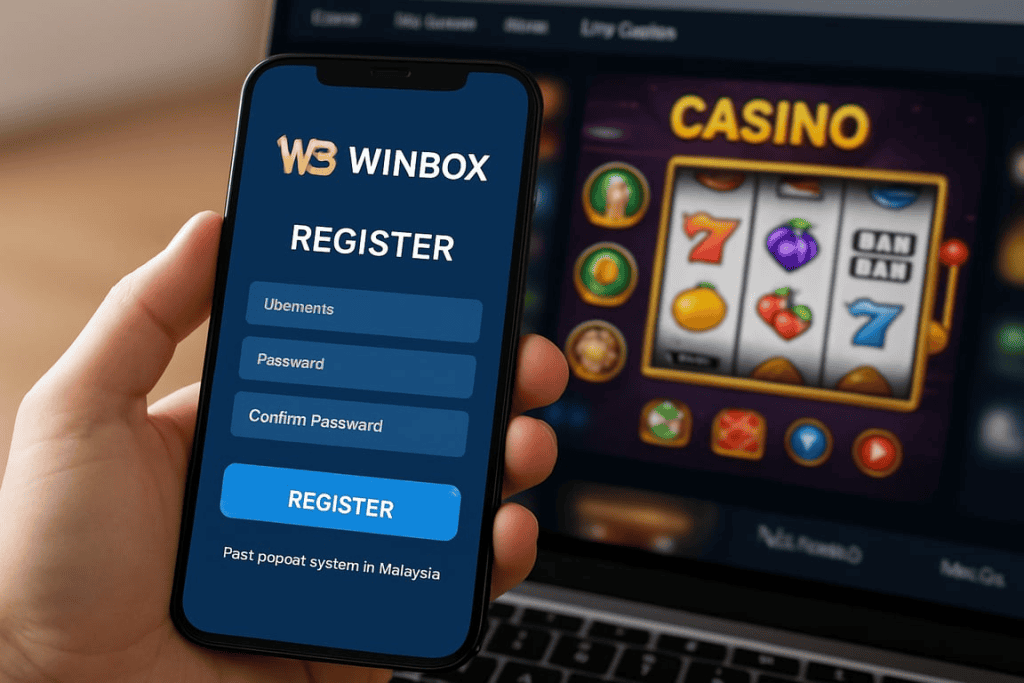
How intuitive is the platform for new and returning users? Winbox Malaysia offers a streamlined interface designed for easy navigation, allowing players to locate games and betting options quickly. The main menu is logically structured, with clear categories and minimal clutter, which enhances usability. Mobile access is well-supported through a responsive website and a dedicated app, ensuring seamless play across devices without compromising functionality. Registration is straightforward, requiring essential details and verification steps that can be completed in minutes. The process is user-friendly, with clear instructions and minimal technical jargon winbox apk, catering to both novices and experienced players. Overall, Winbox Malaysia prioritizes accessibility and convenience, making it simple for users to engage with the platform efficiently regardless of their experience level.

How Safe Is Winbox Malaysia? Security Features and Licensing Explained

Security remains a top priority for online gaming platforms in Malaysia, and this is no different for Winbox Malaysia. The platform implements robust measures to guarantee player safety and data protection.

Winbox Malaysia operates under a valid gaming license, complying with local and international regulations. Encryption protocols safeguard financial transactions and personal information, minimizing risks of cyber threats. Additionally, the site employs advanced firewalls and continuous monitoring to detect and prevent unauthorized access.

Key security features include:

  1. Licensed operation adhering to regulatory standards.
  2. End-to-end encryption on all data transmissions.
  3. Real-time security monitoring and firewall protection.

These measures collectively enhance the trustworthiness of Winbox Malaysia, making it a secure choice for online players.

What Bonuses Can You Get and How Do Players Rate Winbox Malaysia?

Beyond its strong safety protocols, Winbox Malaysia attracts players with a variety of bonuses designed to enhance the gaming experience. These include welcome bonuses for new users, deposit matches, and regular cashback offers.

Seasonal promotions and loyalty rewards further encourage continued engagement. The platform’s transparent terms and straightforward wagering requirements are often highlighted positively by users.

Player reviews generally commend Winbox Malaysia for its generous bonus structures and prompt bonus crediting. Some users note occasional limitations on bonus eligibility across specific games, but overall, the bonuses are seen as fair and beneficial.

This combination of appealing promotions and reliability contributes to a favorable reputation among Malaysian online players seeking value alongside secure gaming.

Conclusion

Winbox Malaysia offers a thorough online gaming platform with diverse betting options and user-friendly navigation, accessible via mobile devices. Its strong security measures and proper licensing provide a safe environment for players. The platform also features attractive bonuses that enhance the overall gaming experience. Player feedback generally reflects satisfaction with Winbox Malaysia’s services, highlighting its reliability and ease of use. Overall, Winbox Malaysia stands as a competitive choice for online gaming enthusiasts in the region.