
We understand casual gambling can quietly reshape thinking, stress responses, sleep, and relationships, making delayed rewards harder to choose and fueling anxiety JM8, low mood, rumination, and sleep disruption. Small wins and cognitive distortions bias decisions and reduce impulse control, while financial strain and secrecy erode support and problem solving. Early recognition and simple grounding, limits, and support can restore clearer choices and resilience — keep going and we’ll outline practical signs, steps, and help options.
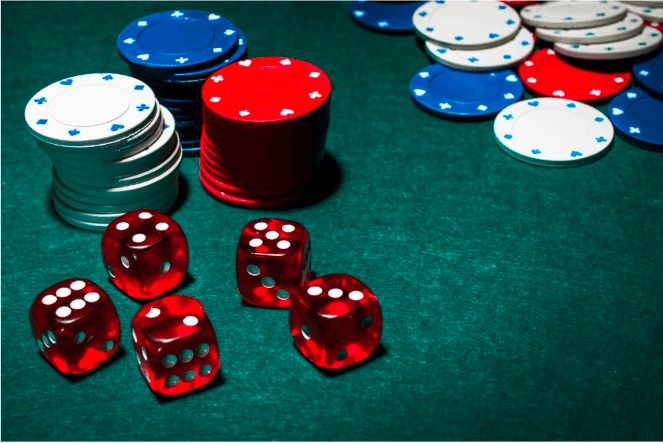
What the Hidden Mental Health Effects of Gambling Look Like
Although the thrill of a big win is obvious, the less visible psychological consequences of gambling often build quietly over time.
We observe measurable shifts: repeated risk-taking strains impulse control, making delayed rewards harder to choose and momentary urges more compelling JM8. Clinically, this correlates with decision-making deficits on standardized tests and behavioral tasks.
We also see self esteem erosion as losses accumulate and secrecy isolates people, lowering perceived competence and social worth.
Compassionately, we acknowledge these changes feel scary and destabilizing; empirically, they predict increased help-seeking when recognized early.
For readers seeking safety, that means monitoring behavior patterns, setting clear limits, and consulting professionals before problems escalate. Early intervention preserves agency and restores healthier coping strategies.
How Gambling Fuels Anxiety, Depression, and Sleep Problems
We see gambling often escalates a feedback loop where preoccupation with wins and losses heightens nervous arousal and worry, which in turn makes risky betting more likely.
That anxiety commonly co-occurs with low mood and hopelessness as financial and social consequences accumulate.
Sleep is frequently disrupted—shortened, fragmented, or delayed—which then worsens emotional regulation and perpetuates the anxiety-depression cycle.
Anxiety Cycle Intensifies
When gambling problems take hold, they don’t just drain money — they set off a tightening cycle where worry, sleeplessness, and low mood reinforce one another; as losses mount and uncertainty grows, our anxiety spikes, sleep breaks down, and depressive symptoms deepen, each making it harder to stop or make clear decisions.
We observe measurable patterns: persistent rumination, avoidance behaviors to escape shame, and heightened physiological arousal during triggers. That arousal narrows attention, biases risk perception, and fuels compulsive chasing.
Over time, reduced coping resources increase hopelessness and social withdrawal, which in turn worsen anxiety and depressive symptoms. Clinically, interrupting the cycle with structured support, grounding techniques, and safe behavioral changes reduces arousal and restores clearer decision-making capacity.
Sleep Disruption Patterns
Because disrupted sleep both reflects and amplifies the stress of problem gambling, we need to look closely at how gambling-related arousal, rumination, and irregular schedules fragment sleep architecture and worsen mood.
We see circadian disruption when late-night betting shifts sleep timing, reducing total sleep and misaligning biological rhythms.
Heightened physiological arousal and persistent worry shorten slow-wave sleep and can cause REM suppression, undermining emotional memory processing and resilience.
Over time these patterns increase anxiety and depressive symptoms, creating a feedback loop that fuels further gambling.
We recommend stabilizing sleep-wake schedules, limiting evening stimulation, and seeking brief cognitive or behavioral interventions to reduce rumination.
If sleep problems persist, we urge consulting a clinician to assure safety and tailored treatment.
Why Casual Gambling Can Change Your Thinking and Coping
We should acknowledge that even casual gambling can gradually shape the way we interpret luck, control, and chance, fostering cognitive distortions like illusion of control and selective memory.
At the same time, it can quietly replace healthier coping strategies—such as talking with friends, exercise, or problem-solving—with quick, emotion-focused relief. Recognizing these shifts helps us assess risk objectively and consider alternatives that sustain long-term well-being.
Cognitive Distortion Formation
Curiosity and reward-seeking can subtly reshape how we interpret chance and control, so casual gambling often seeds cognitive distortions that change our thinking and coping over time.
We observe patterns where small wins reinforce a cognitive bias toward overestimating skill and underestimating randomness.
Practically, that thought distortion narrows risk perception: we may attribute losses to bad luck and wins to strategy, creating a misleading internal narrative.
Clinically informed studies show these shifts accumulate, increasing emotional reactivity and decision errors.
We’ll describe signs—selective recall, illusion of control, and gambler’s fallacy—so readers recognize early changes.
With compassionate clarity, we recommend monitoring beliefs and seeking supportive feedback before distorted thinking becomes entrenched and undermines wellbeing.
Coping Skill Replacement
Having outlined how cognitive distortions take root, let’s consider how casual gambling can replace healthier coping strategies with risky ones.
We observe, through studies and clinical reports, that gambling may become an avoidance strategy: instead of addressing stressors, people repeatedly seek quick dopamine relief.
Over time this pattern crowds out problem-solving, social support, and adaptive emotion regulation.
We also see emotional numbing emerge; repeated betting blunts distress signals, making genuine feelings harder to access and process.
Clinically, this shift raises relapse risk and undermines resilience.
We recommend acknowledging these changes early, cultivating alternative coping—mindfulness, structured activity, trusted conversations—and, when needed, seeking professional guidance to restore safety, clarity, and sustainable emotional skills.
How Financial Stress and Relationship Strain Worsen Mental Health
Because money worries often compound and spill into daily life, we see financial stress and relationship strain acting together to worsen mental health outcomes. We observe that sustained financial strain increases anxiety, disrupts sleep, and lowers problem-solving capacity; these effects are measurable in higher rates of depression and chronic stress.
Simultaneously, relationship breakdown or persistent conflict erodes social support, which normally buffers psychological distress. When both occur, symptoms intensify and recovery becomes harder, as distorted thinking and avoidance behaviors take hold.
Clinically, integrated interventions addressing budgeting, debt management, and communication skills reduce symptoms more effectively than isolated approaches. We recommend safe, stepwise plans combining practical financial guidance with relational repair strategies to restore stability and protect mental well-being.
Behavioral Signs Loved Ones Can Spot Early
Often we notice small changes in behavior before a gambling problem is openly acknowledged, and loved ones can play a vital role in spotting them early. We observe increased mood swings, abrupt withdrawal from social activities, and unexplained fatigue that affect daily functioning.
We also see secretive behavior around time spent online or with money, repeated excuses, and avoidance of routine conversations about finances. Empirical observations like inconsistent stories, missed obligations, and disproportionate reactions to losses help us distinguish concern from normal stress.
We should respond with calm curiosity, document patterns without judgment, and prioritize safety when risk escalates. Early recognition enables timely connection to support resources while respecting autonomy and minimizing harm.
Practical Steps to Protect Wellbeing and Reduce Risk
Let’s lay out clear, evidence-based steps we can take to protect wellbeing and reduce gambling-related risk.
First, set firm limits: define time and money caps, use account blocks or betting limits, and review statements regularly.
Second, prioritize stress management through regular sleep, exercise, and brief relaxation practices; these reduce impulsive decisions.
Third, practice emotional regulation by naming triggers, pausing before wagers, and using simple grounding techniques when urges arise.
Fourth, maintain social connections and structured activities to replace gambling routines.
Fifth, monitor mood and behavior with brief daily check-ins and adjust strategies when cravings or financial strain grow.
These steps are practical, measurable, and aimed at keeping safety and wellbeing central without immediate clinical interventions.
Where to Get Help: Treatment Options and Support Resources
When we’re ready to seek help, it’s important to know there are evidence-based treatment options and practical supports available that match different levels of need—from self-help tools and peer groups to professional therapies and crisis services.
We can begin with peer support and structured self-help programs; these reduce isolation and provide accountability.
Online forums can supplement care when moderated and evidence-informed, but we should verify privacy and moderation standards.
For clinically significant symptoms, cognitive-behavioral therapy and medication management guided by a psychiatrist improve outcomes.
Intensive needs may require residential rehab with structured therapy, relapse prevention, and medical oversight.
Crisis lines and local mental-health services offer immediate safety.
We’ll choose interventions based on severity, comorbidity, and personal safety, seeking coordinated care.
Conclusion
We’ve laid out how gambling quietly undermines mental health—fueling anxiety, depression, sleep loss, strained relationships, and harmful thinking patterns. We’re not here to moralize; we’re here to recognize signs, reduce risk, and act early. By tightening finances, setting limits, seeking support, and using evidence-based treatment when needed, we can protect wellbeing and restore balance. If you or someone you care about is struggling, reach out—help is effective and available.