
Ion chromatography standards and regulatory guidelines play a pivotal role in ensuring the reliability of analytical results across diverse sectors. Regulatory bodies like the EPA and CEN establish these frameworks, emphasizing method validation and data quality Cation analysis. Compliance is essential not only for credibility but also for public safety and environmental protection. As methodologies evolve, the impact on current practices raises important questions about future compliance and adaptation in laboratory settings.
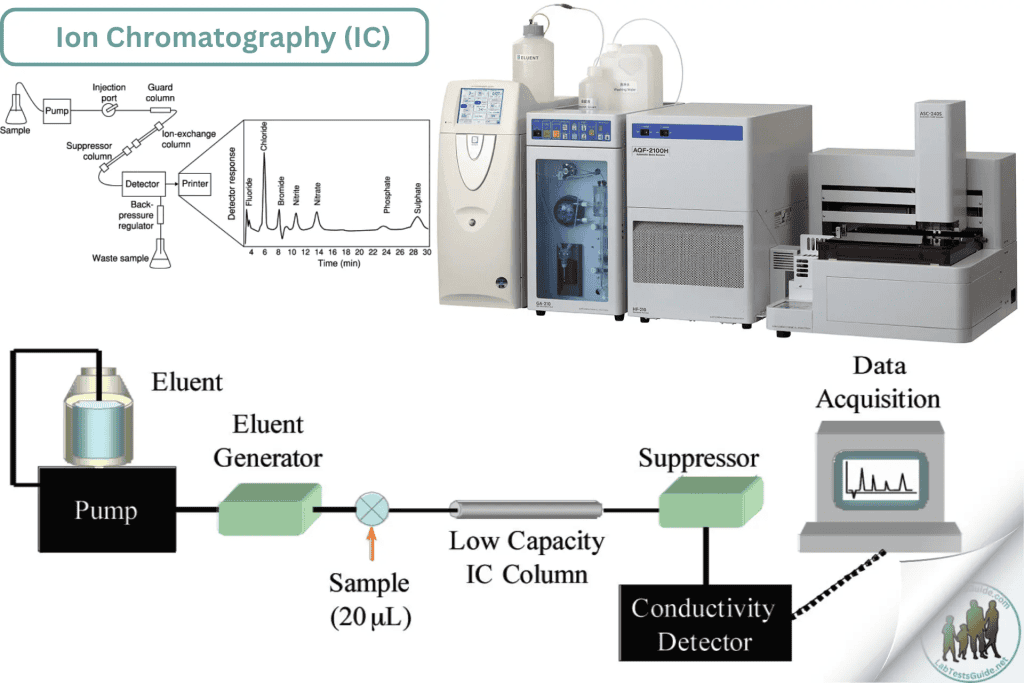
Overview of Ion Chromatography Standards
Although ion chromatography (IC) is a widely employed technique for analyzing ionic species in various samples, adherence to established standards is essential for ensuring accuracy and reproducibility. Standards in ion chromatography encompass guidelines for method validation, which provide a framework to assess performance characteristics such as precision, accuracy, and limit of detection https://laballiance.com.my/. These standards support diverse ion chromatography applications, ranging from environmental monitoring to pharmaceutical quality control.
By implementing rigorous method validation protocols, laboratories can confirm that their IC methods yield reliable results, safeguarding against analytical errors that could compromise data integrity.
Additionally, standardized procedures facilitate inter-laboratory comparisons and contribute to the broader acceptance of results in scientific and regulatory contexts.
Ultimately, embracing ion chromatography standards not only enhances the credibility of analytical findings but also empowers researchers and industry professionals to explore innovative applications in the quest for greater freedom in analytical capabilities.
Key Regulatory Frameworks Impacting Ion Analysis
As regulatory bodies increasingly emphasize the importance of accurate ionic analysis, several key frameworks have emerged to guide laboratories in their ion chromatography practices. The United States Environmental Protection Agency (EPA) and the European Committee for Standardization (CEN) represent significant regulatory authorities that establish guidelines for ion analysis in environmental samples.
These frameworks impose stringent requirements on data quality, method validation, and reporting practices, which laboratories must navigate to guarantee compliance.
However, compliance challenges often arise due to the need for continuous updates in methodologies and equipment. Laboratories must stay informed about changes in regulations and adapt their practices accordingly.
Additionally, the integration of advanced technologies in ion chromatography requires ongoing training for personnel to maintain compliance with these evolving standards.
Ultimately, understanding and adhering to these regulatory frameworks is vital for laboratories aimed at achieving accurate and reliable ion analysis, safeguarding both public safety and environmental integrity.
Best Practices for Compliance in Ion Chromatography
To guarantee compliance in ion chromatography, laboratories must implement a series of best practices that align with regulatory standards and enhance analytical accuracy.
First, rigorous method validation is essential. It guarantees the chosen analytical procedures deliver reliable results across various matrices. Laboratories should routinely evaluate parameters such as sensitivity, specificity, and linearity to confirm method robustness.
Quality assurance plays a pivotal role in maintaining compliance. Establishing a thorough quality management system guarantees consistent performance and adherence to regulations. Regular calibration of equipment, participation in proficiency testing, and meticulous documentation practices are critical components.
Additionally, staff training is paramount; well-trained personnel can execute methods correctly and troubleshoot effectively. By fostering an environment of continuous improvement and staying updated with regulatory changes, laboratories can’t only meet compliance requirements but also enhance their overall analytical capabilities.
Future Trends in Ion Chromatography Regulations
With regulatory landscapes evolving, the future of ion chromatography regulations is likely to focus on enhancing data integrity and method standardization.
As laboratories adopt emerging technologies, such as advanced detection methods and automated systems, regulators will need to guarantee these innovations align with established quality standards. This alignment will foster greater regulatory harmonization across jurisdictions, simplifying compliance for global operations.
Additionally, the incorporation of digital solutions for data management will enhance traceability and transparency, addressing current challenges in data integrity. Organizations that prioritize these advancements will likely find themselves ahead of the curve, adapting to new guidelines more seamlessly.
The future will also see an emphasis on collaborative initiatives among regulatory bodies, industry stakeholders, and academic institutions, driving improvements in methodologies and safety protocols.
Conclusion
In summary, adherence to ion chromatography standards and regulatory guidelines is vital for ensuring the accuracy and reliability of analytical results. By aligning with established frameworks, laboratories can enhance data quality and maintain public trust. As methodologies evolve, staying informed about best practices will be essential for compliance and innovation in the field. Ultimately, a commitment to these standards will bolster environmental integrity and support the ongoing advancement of analytical techniques in various applications.