
Christian burial ceremonies incorporate several key elements that reflect deep spiritual meaning and tradition. These include structured communal rites, significant scripture passages, and symbolic use of sacramentals such as holy water and the cross. Clergy play an essential role in guiding the ceremony, while the gathered community provides support and remembrance. Understanding how these components work together reveals the profound ways faith and ritual offer comfort and hope in the face of death.
Common Christian Funeral Rites and Their Spiritual Significance
Several key rites characterize Christian funeral ceremonies, each embodying deep spiritual meanings rooted in faith and tradition. The vigil, often held before the funeral, provides a moment for reflection and communal support, symbolizing hope in resurrection.
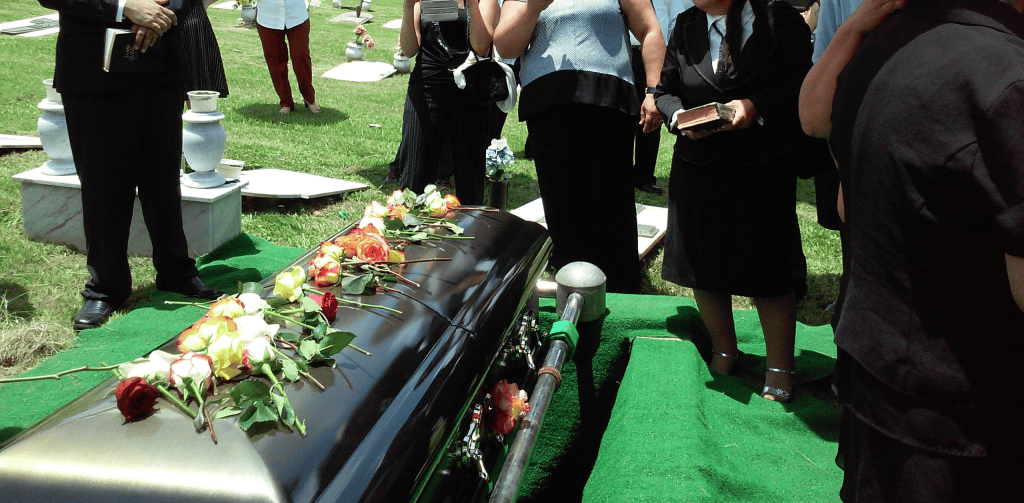
The rite of committal at the graveside marks the final farewell, expressing trust in eternal life. The use of holy water and the sign of the cross signifies purification and blessing, reinforcing faith’s protective power.
Lighting candles represents Christ as the light overcoming darkness, guiding the soul’s journey. These rites collectively offer a structured yet meaningful way for believers to honor the deceased, embrace grief, and affirm their freedom in faith’s promise of life beyond death.
Scripture Readings and Prayers in Christian Burials
Scripture readings and prayers form a foundational component of christian burial ceremonies, providing spiritual comfort and guidance during mourning. Selected passages often emphasize themes of hope, resurrection, and eternal life, helping mourners find peace amid loss.
Common readings include texts from Psalms, the Gospels, and Paul’s letters, which affirm faith in God’s promises beyond death. Prayers serve to honor the deceased, seek divine mercy, and support the bereaved in their grief.
These elements create a sacred space for reflection, unity, and healing. They encourage personal freedom in expression, allowing families to choose readings and prayers that resonate with their beliefs and the life of the departed, fostering a meaningful farewell within a framework of spiritual freedom and respect.
Symbolism of the Cross and Religious Icons in Christian Burials
In Christian burial ceremonies, the cross and religious icons serve as powerful symbols that convey faith, hope, and the promise of eternal life. The cross represents Christ’s sacrifice and victory over death, offering comfort to mourners and affirming belief in resurrection.
Religious icons, such as images of saints or Christ, function as visual reminders of spiritual truths and divine presence. These symbols provide a connection to the sacred, encouraging reflection on the deceased’s faith journey and the continuity of the soul beyond death.
Their presence in burial rites supports a sense of peace and liberation from earthly bonds, aligning with the Christian conviction of freedom through grace and salvation https://hongenlife.com/en/christian-burial-practices/. Consequently, the cross and icons play a crucial role in expressing core Christian beliefs during burial ceremonies.
Holy Water and Anointing Blessings in Christian Burials
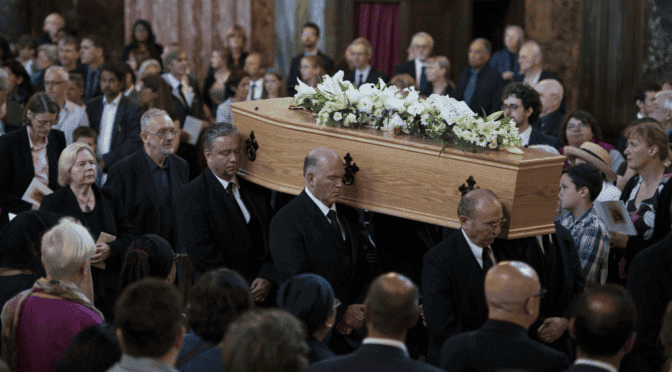
Amidst the solemn rites of Christian burials, holy water and anointing blessings serve distinct sacramental functions that underscore purification and consecration. Holy water, sprinkled on the casket or the mourners, symbolizes spiritual cleansing and protection, marking the boundary between earthly life and the sacred journey beyond. It affirms faith in baptismal promises, reinforcing hope in resurrection.
Anointing blessings, often applied to the forehead or hands of the deceased, invoke God’s grace and healing power, signifying sanctification and preparation for eternal life. These elements reflect a profound respect for the sacredness of death and the belief in divine mercy. Together, holy water and anointing elevate the burial ceremony, affirming spiritual freedom and the soul’s passage to a renewed existence.
Community and Clergy Roles in Christian Burials
The participation of both community members and clergy forms a vital foundation in Christian burial ceremonies, ensuring a collective expression of faith and support. Clergy guide the rites, offering prayers and scripture readings that provide spiritual comfort and reinforce beliefs in eternal life. Their leadership helps structure the ceremony, creating a sacred space for reflection and farewell.
Meanwhile, community members play an active role by attending services, sharing memories, and offering condolences, fostering a sense of unity and mutual care. This shared involvement emphasizes the communal nature of mourning and healing, allowing individuals to freely express grief and hope. Together, clergy and community collaboration upholds the ceremony’s significance, honoring the deceased while supporting the living through a respectful and meaningful farewell.
Conclusion
Christian burial ceremonies encompass a rich tapestry of rites, prayers, and symbols that collectively express faith in resurrection and divine mercy. Through scripture readings, the use of sacramentals like holy water and the cross, and the active roles of clergy and community, these rituals provide spiritual comfort and hope. Together, these elements honor the deceased while affirming the Christian belief in eternal life, fostering communal support and remembrance throughout the mourning process.